When the Dark and Light fight, folklore stops being quaint. It becomes schooling.
Check out the books on my shelf. You’ll see how it works.
One mentions the Hand of Glory. It’s old magick. European. You severed the hand of a hanged murderer while he still swung from the rope, then preserved it.
The fingers became candles. Light them, and anyone who saw the flame froze. Sleeping people stayed asleep. Waking people couldn’t move. Doors unlocked themselves.
Burglars loved them.
Museums have a few. Go see the exhibits if you don’t believe me.
But the hand didn’t stop at paralysis in every version. There are older instructions that involved games. Confessions. Candles that froze your insides while something else decided whether you’d told the truth.
The penalty for lying? Well, read on.
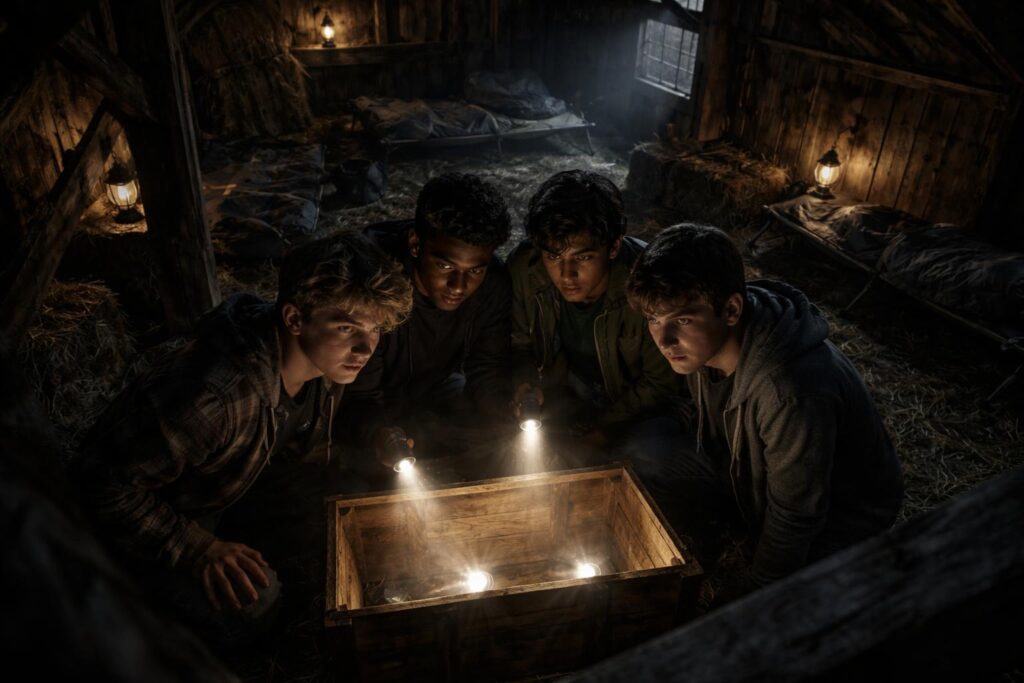
In Northern England four boys went on a school trip to a place called Gibbet Hill Farm. One of them brought a hand he’d lifted from his father’s collection and a book of instructions. Thought it would be funny to play a game.
It wasn’t.
By the time the teachers found them, three were hypothermic but alive. The fourth was missing his right hand. Clean amputation. No blood on the floor. No weapon in the room.
They ruled it a prank gone wrong. Blamed the other boys, but couldn’t make it stick.
The boy without the hand never spoke again. Not a word.
But if you ask the others who were there—and I have—they’ll tell you about the man made of shadows. About the way the candles burned down to nothing. About the sound of whistling while the knife worked.
The hand was never recovered. Neither was the book with the instructions.
So if you come across a severed hand in a box fitted with wicks, and someone suggests lighting it for a game—don’t.
Not unless you’re very sure of your secrets.
And even then, don’t.

To read the books mentioned in this post, go to: